


- Written by: Team Vura
Polymer Modified Tile Adhesive: Best Solution for Ceramic, Vitrified & Bathroom Tiles
Introduction
Modern tile installation demands stronger bonding, better flexibility, and long-term durability. Traditional cement mortar is no longer sufficient for vitrified tiles, porcelain slabs, natural stone, and modern bathroom applications. This is where polymer modified tile adhesive becomes essential.
A high-quality tile adhesive provides improved grip, water resistance, crack resistance, and better workability for wall and floor tile installations. Whether the project involves ceramic wall tiles, vitrified floor tiles, bathroom surfaces, balconies, or swimming pools, selecting the correct adhesive directly impacts installation quality and durability.
Today, contractors, builders, and tile installers across India prefer cement-based polymer modified tile adhesive because it supports faster installation and long-lasting tile performance in both interior and exterior applications.
What is Polymer Modified Tile Adhesive?
Polymer modified tile adhesive is a cement-based adhesive enhanced with special polymers to improve bonding strength, flexibility, water resistance, and durability.
Unlike traditional cement mortar, polymer adhesive creates a stronger bond between the tile and substrate. It is specially designed for modern tile materials that absorb very little water, such as vitrified tiles and porcelain slabs.
Polymer modified cement-based tile adhesive is widely used for:
- Ceramic Tiles
- Vitrified Tiles
- Natural Stone
- Bathroom Wall Tiles
- Floor Tiles
- Exterior Cladding
- Swimming Pool Applications
The added polymers improve:
- Adhesion Strength
- Flexibility
- Water Resistance
- Anti-Slip Properties
- Crack Resistance
Tile Adhesive vs Cement Mortar
Many contractors still compare tile adhesive vs cement when selecting tile installation materials. However, modern tiles require more advanced bonding systems.
Comparison Between Tile Adhesive and Cement Mortar
| Tile Adhesive | Cement Mortar |
|---|---|
| Provides stronger tile grip and adhesion | Bonding strength may weaken over time |
| Requires a thinner application layer | Needs a thicker mortar bed |
| Offers better resistance against water and moisture | More prone to moisture absorption |
| Helps minimize tile cracks and hollow spots | Higher chances of shrinkage and cracking |
| Flexible enough for modern tile applications | Less flexible after curing |
| Makes tile installation quicker and cleaner | Installation process takes more time |
Traditional cement mortar often struggles with large-format tiles, vitrified tiles, exterior wall tiles, and swimming pool tiles. Polymer modified tile adhesive provides better long-term durability and installation reliability.
Types of Tile Adhesives
Tile Adhesive for Ceramic Tiles
Ceramic tile adhesive is commonly used for interior walls, kitchen walls, bathroom walls, and residential flooring.
The best tile adhesive for ceramic tiles should provide:
- Easy Application
- Slip Resistance
- Good Bonding
- Smooth Workability
Tile Adhesive for Vitrified Tiles
Vitrified tiles are denser and less porous than ceramic tiles. They require stronger bonding systems.
The best tile adhesive for vitrified tiles should offer:
- High Adhesion Strength
- Crack Resistance
- Heavy Load Support
- Long-Term Floor Durability
C1T tile adhesive and polymer modified adhesives are widely used for vitrified flooring applications.
Flexible Tile Adhesive S1
Flexible tile adhesive S1 is designed for applications where slight substrate movement is expected.
Flexible tile adhesive is recommended for:
- Exterior Walls
- Balcony Tiles
- Terrace Flooring
- Gypsum Boards
- Cement Boards
- Thin Porcelain Slabs
C2TES1 tile adhesive improves flexibility and reduces tile cracking caused by temperature variations and structural movement.
Waterproof Tile Adhesive
Waterproof tile adhesive is specially developed for moisture-prone areas.
These adhesives are ideal for:
- Bathrooms
- Swimming Pools
- Water Tanks
- Wet Walls
- Balcony Installations
Waterproof wall tile adhesive helps prevent tile debonding and moisture damage over time.
Benefits of Polymer Modified Tile Adhesive
Strong Bonding
Polymer additives improve adhesion strength between tiles and substrates. This is especially important for wall tile installations, large-format tiles, stone cladding, and vertical surfaces.
Water Resistance
Tile adhesive waterproof systems help protect installations from moisture penetration.
Suitable for:
- Bathroom Floors
- Shower Walls
- Swimming Pools
- Wet Commercial Areas
Faster Installation
Tile adhesive allows cleaner application, faster tile placement, better leveling, and reduced material wastage.
Crack Resistance
Flexible adhesives absorb minor structural movement and reduce tile cracking risk.
Better Durability
High-quality tile adhesive systems improve tile lifespan, installation stability, and long-term bonding performance.
Best Tile Adhesive for Ceramic Tiles
Ceramic wall and floor tiles require reliable bonding for long-term performance.
The best wall tile adhesive should provide:
- Easy Spreading
- Strong Initial Grip
- Anti-Slip Performance
- Good Curing Strength
Tile Adhesive for Bathroom Walls & Floors
Wall Tile Adhesive for Bathroom
- Slip Resistance
- Water Resistance
- Strong Vertical Bonding
Waterproof polymer modified adhesive is commonly used for bathroom wall installations.
Best Tile Adhesive for Bathroom Floor
- Moisture Exposure
- Foot Traffic
- Cleaning Chemicals
- Temperature Changes
Flexible waterproof tile adhesive helps improve long-term durability in wet areas.
How to Apply Tile Adhesive on Wall
- Surface Preparation: Ensure the surface is clean, dry, dust-free, and properly leveled.
- Mix the Adhesive: Mix the adhesive with clean water according to product instructions.
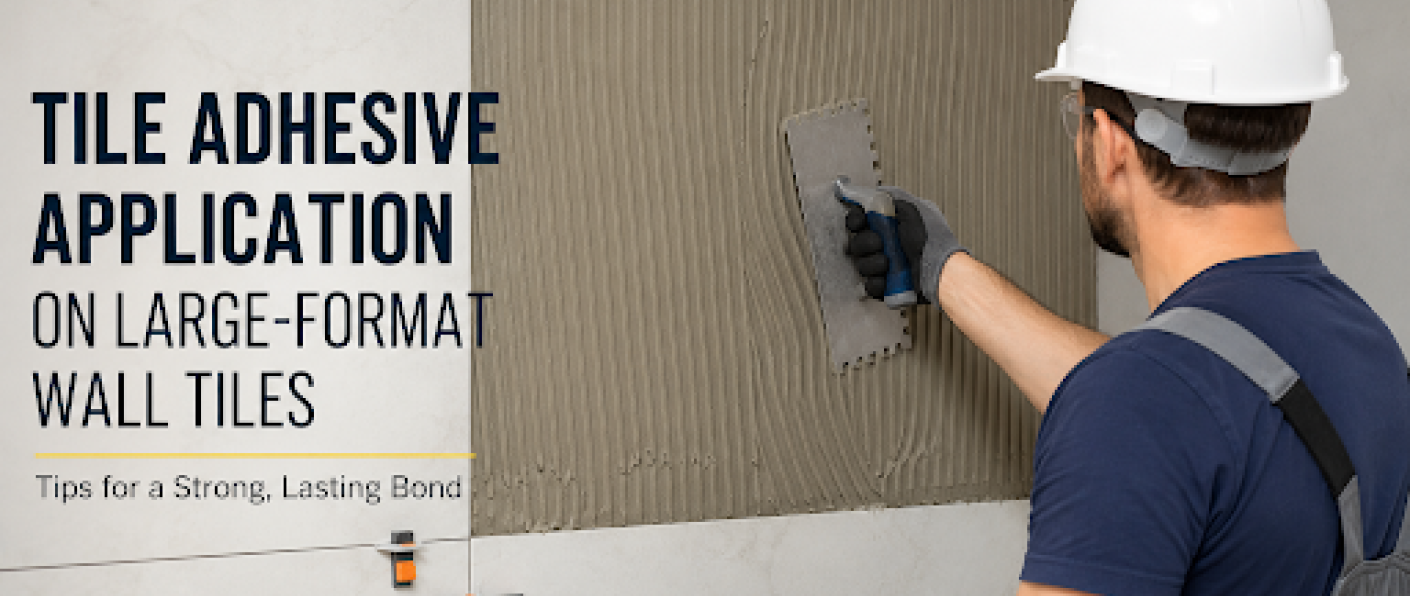
- Apply Using Notched Trowel: Spread adhesive evenly to maintain proper thickness.
- Install the Tiles: Press tiles firmly while maintaining proper spacing and alignment.
- Allow Proper Curing: Avoid water exposure until the adhesive fully cures.
Common Tile Installation Mistakes
- Using Ordinary Cement Instead of Tile Adhesive
- Incorrect Adhesive Selection
- Poor Surface Preparation
- Incorrect Adhesive Thickness
How to Choose the Best Tile Adhesive in India
- Tile Type: Ceramic Tiles, Vitrified Tiles, Natural Stone, Porcelain Slabs.
- Application Area: Bathrooms, Exterior Walls, Swimming Pools, Interior Flooring.
- Flexibility Requirements: Flexible tile adhesive is recommended for exterior applications, large tiles, balcony installations, and high-movement surfaces.
FAQs
What is polymer modified tile adhesive?
Polymer modified tile adhesive is a cement-based adhesive enhanced with polymers for better bonding, flexibility, and water resistance.
Which tile adhesive is best for bathroom walls?
Waterproof polymer modified tile adhesive is best for bathroom walls because it provides strong bonding and moisture resistance.
Can tile adhesive replace cement mortar?
Yes. Tile adhesive performs better than traditional cement mortar for modern tile installations.
Which adhesive is best for vitrified tiles?
C1T and polymer modified tile adhesives are commonly recommended for vitrified tiles.
Why use flexible tile adhesive?
Flexible tile adhesive reduces cracking and improves bonding in exterior and high-movement applications.
Can tile adhesive be used for swimming pools?
Yes. Waterproof tile adhesive systems are widely used for swimming pools and wet-area installations.
Conclusion
Modern tile installation requires advanced bonding systems that provide strength, flexibility, and long-term durability. Polymer modified tile adhesive has become the preferred solution for ceramic tiles, vitrified tiles, bathroom walls, swimming pools, balconies, and natural stone applications.
Compared to traditional cement mortar, tile adhesive offers better bonding, improved water resistance, faster installation, and reduced cracking risk.
Whether the application involves wall tiles, floor tiles, porcelain slabs, or exterior surfaces, selecting the right tile adhesive is essential for installation quality and long-term performance.
Explore advanced tile adhesive solutions from VURA for ceramic, vitrified, natural stone, and waterproof tile applications.